What Makes a Slasher
The slasher film is one of horror's most codified subgenres — a set of conventions so established that they can be both played straight and subverted, sometimes in the same film. The essential elements: a killer (usually masked, usually motivated by past trauma or simply malevolent by nature); victims (often characterised by their transgressive behaviour, though this convention has been thoroughly interrogated); a final girl (a survivor whose qualities — resourcefulness, relative virtue, observational skill — allow her to outlast the others); and a high body count achieved through increasingly elaborate set pieces.
The Origin: Psycho and the Proto-Slashers
The lineage runs from Hitchcock's Psycho (1960) — which established the killer's point of view, the sudden death of the apparent protagonist, and the suburban domestic setting as site of horror — through Mario Bava's Italian giallo thrillers, which added visual stylisation and elaborate murder choreography, to Black Christmas (1974), which introduced the masked killer in a sorority house template that Halloween would perfect four years later.
The Golden Age: 1978–1984
Halloween (1978) and Friday the 13th (1980) established the template. The following years produced an extraordinary volume of slasher films at every quality level — from Prom Night, Happy Birthday to Me, and My Bloody Valentine to the more artistically ambitious work of Wes Craven. A Nightmare on Elm Street (1984) took the formula surreal and gave it one of horror's great villain-personalities. By the mid-80s the genre had produced so many entries that exhaustion and self-parody were inevitable.
The Scream Era and Self-Awareness
Wes Craven's Scream (1996) revitalised the genre by making its knowledge of the genre's conventions explicit — the characters know the rules, which allows the film to follow and subvert them simultaneously. The meta-slasher became its own subgenre. Scream 2 (1997) examined sequels; Scream 3 (2000) examined trilogies. The formula worked because Craven's script (by Kevin Williamson) was genuinely clever rather than merely referential.
▶ Featured Creator: Chimera Costumes
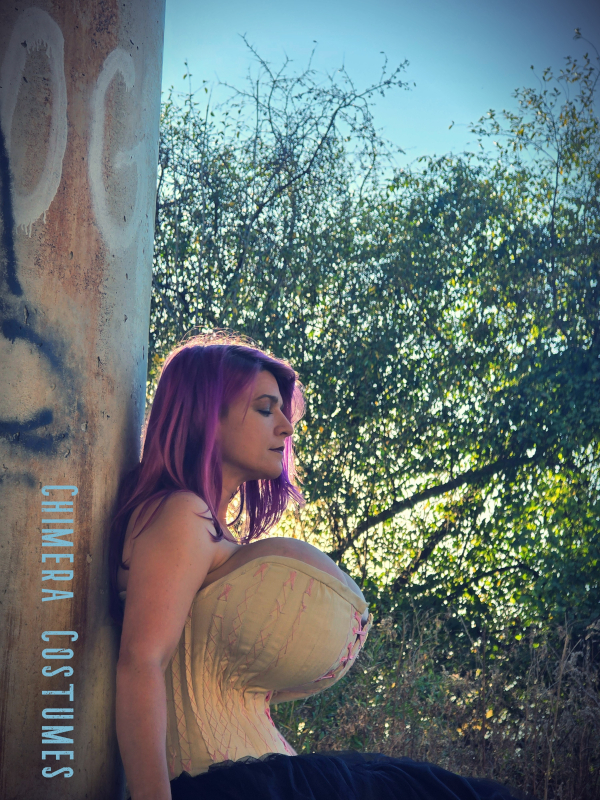
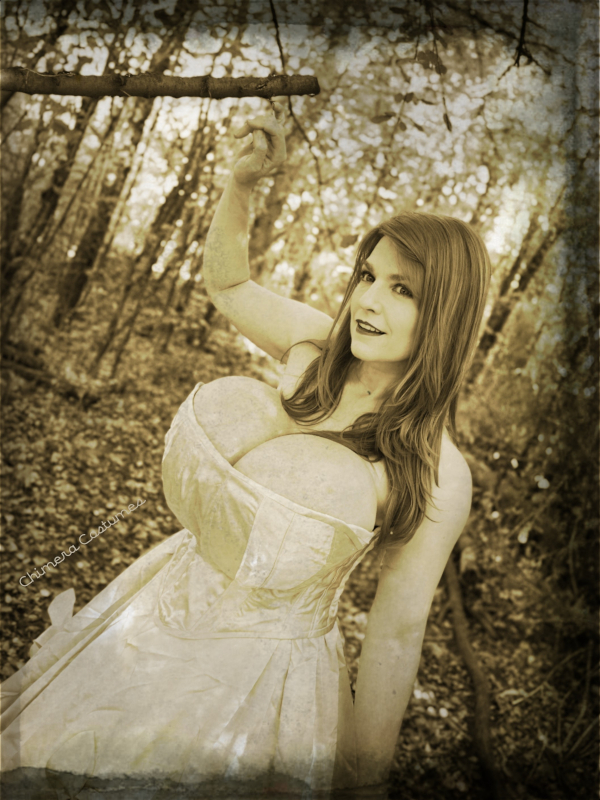

Looking to bring a horror or gothic character to life? Chimera Costumes documents her full construction process including dark character builds, gothic corsetry, and villain costumes across her free and paid platforms.
Frequently Asked Questions
Psycho (1960) is generally credited as the first true slasher, though proto-slashers existed in Italian giallo cinema before Halloween codified the modern formula in 1978.
Freddy Krueger, Michael Myers, and Jason Voorhees are the genre's holy trinity. Ghostface from Scream is the most articulate and self-aware. Each represents a different approach to horror villain design.
slasher films, slasher horror guide, best slasher movies, slasher film history, final girl horror