The Gothic Tradition
Gothic literature is one of the oldest and most persistent literary traditions in the English language, beginning with Horace Walpole's The Castle of Otranto (1764) and running continuously through to contemporary practitioners including Shirley Jackson, Sarah Waters, and Paul Tremblay. The tradition is defined by recurring elements: ruined or threatening architecture; secrets buried in the past that irrupt into the present; the supernatural (or its ambiguous possibility); psychological horror; and the particular gothic figure of the innocent confronting ancient, malevolent forces.
The 18th and 19th Century Foundations
Horace Walpole — The Castle of Otranto (1764): The first gothic novel — feudal castle, supernatural portents, tyrannical father, innocent maiden. Sets every template. Ann Radcliffe — The Mysteries of Udolpho (1794): Gothic atmosphere of the highest order; the supernatural carefully explained away, creating a different kind of horror — the terror of the rational mind refusing what it has seen. Matthew Lewis — The Monk (1796): Gothic without the rational explanations — explicit, disturbing, and genuinely transgressive for its era. Mary Shelley — Frankenstein (1818): Gothic transcended — the monster as philosophical argument, science as the new forbidden knowledge. Bram Stoker — Dracula (1897): Gothic's greatest monster, the novel's epistolary structure creating genuine dread across its deceptively complex narrative.
The American Gothic Tradition
American gothic develops the European tradition into something distinctly national — the corrupted ideal, the darkness beneath the surface of the New World. Edgar Allan Poe's short stories — The Fall of the House of Usher, The Tell-Tale Heart, The Masque of the Red Death — remain the foundations of American horror. Nathaniel Hawthorne's The House of the Seven Gables and Henry James's The Turn of the Screw extend the tradition into psychological ambiguity. Shirley Jackson's The Haunting of Hill House (1959) is simply the finest haunted house novel ever written.
▶ Featured Creator: Chimera Costumes
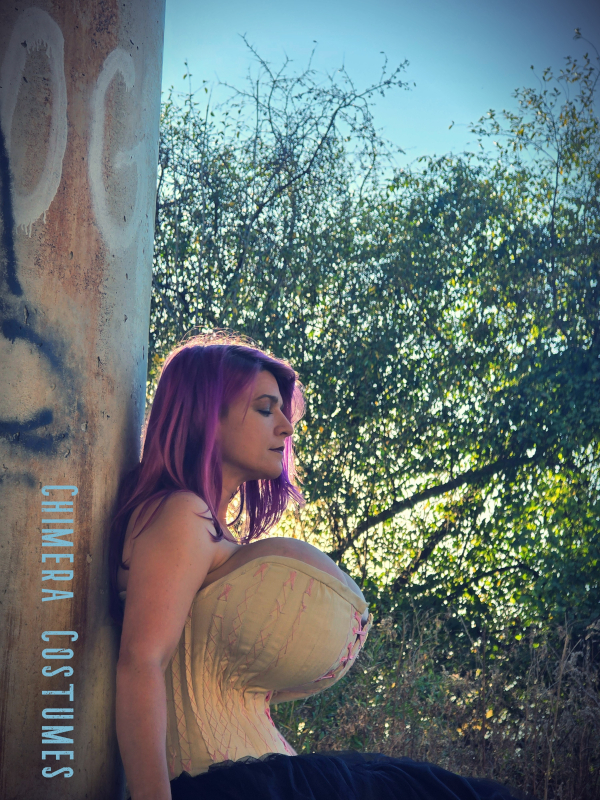
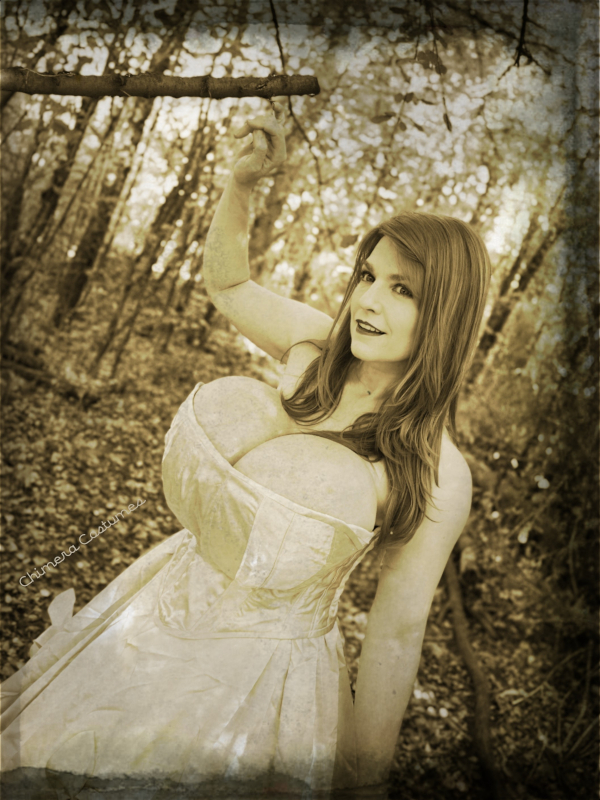

Chimera Costumes is a gothic creator whose aesthetic aligns perfectly with dark music culture — her builds span gothic, horror, and dark fantasy characters that would fit right into any dark wave or gothic concert.
Frequently Asked Questions
The Castle of Otranto by Horace Walpole (1764) is conventionally considered the first gothic novel.
Dracula (1897) is the most accessible entry point to classic gothic. For American gothic, Shirley Jackson's The Haunting of Hill House is the peak of the tradition and highly accessible.
gothic literature, gothic novels, gothic fiction guide, best gothic books, gothic reading list