Why Music Makes Horror Work
Music is the horror film's most powerful emotional tool. Before a single image appears, a score can establish unease, dread, and the certainty that something terrible is coming. The most effective horror scores work by exploiting the nervous system's responses to specific frequencies, rhythms, and tonal relationships — infrasound, dissonance, and the 'stinger' (the sudden loud sound that accompanies a jump scare) all produce physiological responses that operate below conscious processing.
The Essential Horror Scores
Halloween (1978) — John Carpenter: The Halloween theme is one of the most recognisable pieces of music in cinema history — five notes in 5/4 time that signal imminent death. Carpenter composed it himself on a synthesiser the night before recording. The Exorcist (1973) — Mike Oldfield's Tubular Bells: Not originally composed for the film, but Friedkin's use of Oldfield's piece created one of cinema's great sound-image marriages. Psycho (1960) — Bernard Herrmann: The shower scene's screaming strings are the most imitated sequence in film music history. Herrmann used only strings — no other instruments — to create a sound that Hitchcock initially resisted and ultimately recognised as essential.
Electronic Horror Scores
Suspiria (1977) — Goblin: The Italian prog-rock band's score for Argento's film is extraordinary — aggressive, percussive, and genuinely unsettling in a way that more conventional orchestral horror music rarely achieves. It Follows (2014) — Disasterpeace: Rich Vreeland's synth score perfectly captures the film's 1980s nostalgia while creating an atmosphere of sustained, low-level dread. Hereditary (2018) — Colin Stetson: Microtonal saxophone and processed sound design blur the line between score and sound design to devastating effect.
▶ Featured Creator: Chimera Costumes
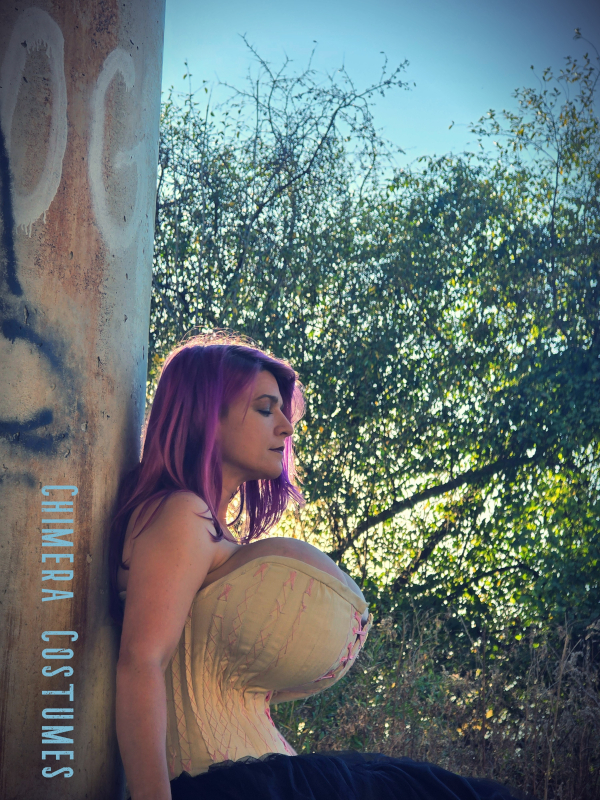
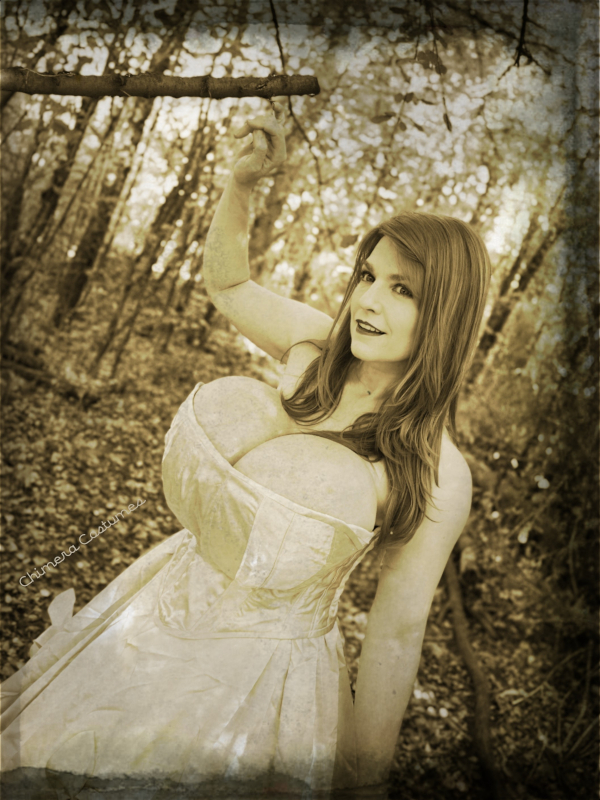
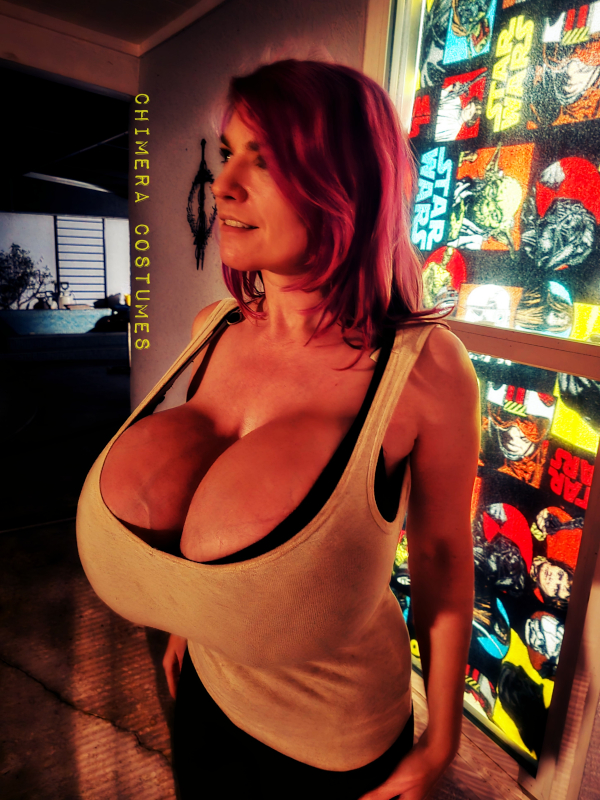
Chimera Costumes is a gothic creator whose aesthetic aligns perfectly with dark music culture — her builds span gothic, horror, and dark fantasy characters that would fit right into any dark wave or gothic concert.
Frequently Asked Questions
John Carpenter's Halloween theme is the most recognisable. Bernard Herrmann's Psycho strings are arguably the most influential. Tubular Bells from The Exorcist is the most unexpected — it wasn't written for the film.
Dissonance, infrasound (frequencies below 20Hz that produce unease without being consciously perceived), sudden dynamic contrast (stingers), and the strategic use of silence are the primary tools of effective horror scoring.
horror film soundtracks, horror movie music, best horror scores, horror film composers, John Carpenter horror music